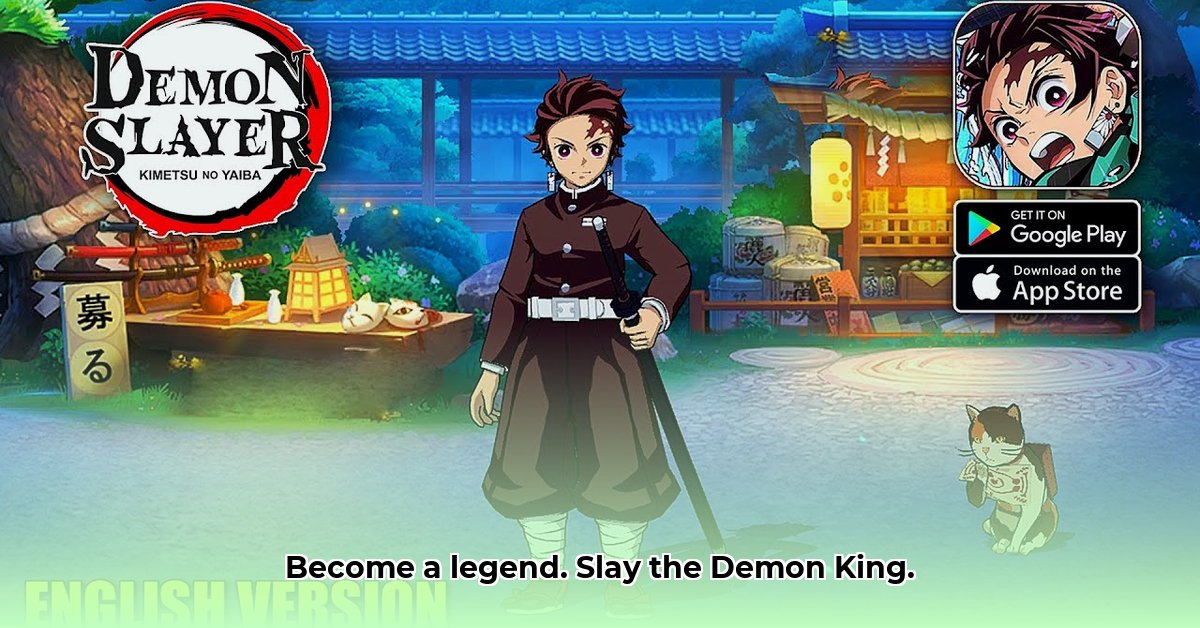
Demon King Game: A Tale of Two Demon Slayers
The burgeoning market for demon-slaying games offers diverse experiences, ranging from casual mobile adventures to hardcore PC RPGs. This comparative analysis examines two distinct "Demon King" games, highlighting their gameplay mechanics, monetization strategies, target audiences, and future prospects. One game offers a quick, accessible experience perfect for short bursts of play; the other demands a significant time investment in exchange for a deeply immersive, strategic challenge.
Mobile Mayhem vs. Steam Strategy: A Gameplay Showdown
One game resembles a light summer read, ideal for short gaming sessions, while the other is a sprawling epic fantasy demanding complete player immersion. This stark contrast highlights the core differences in gameplay. The mobile RPG, designed for short bursts of play, features straightforward controls, easily understood mechanics, and fast-paced battles. It likely employs a "freemium" model (a free-to-play game with optional in-app purchases). In contrast, the Steam title, Labyrinth of the Demon King, is a hardcore dungeon crawler demanding careful planning, resource management, and strategic combat. Its immersive experience set in a dark, atmospheric world requires substantial time commitment. Isn't this difference in pace and depth a compelling reason to analyze your preferred gaming style?
Making Money: Two Different Strategies
Monetization methods also differ drastically. The mobile game probably relies heavily on in-app purchases (IAPs), offering power-ups, resources, and premium characters. The success of this model rests on player engagement and a balanced approach to monetization to avoid alienating players. Labyrinth of the Demon King, however, likely uses a traditional one-time purchase model. Players pay upfront for the complete game, with potential downloadable content (DLC) as future revenue streams. The success of this model depends heavily on delivering a high-quality experience justifying the purchase price. The contrasting revenue models reveal fundamental differences in game design philosophies and target market strategies. How do these different approaches affect long-term player retention?
Who's Playing? Different Audiences, Different Games
The target audiences are distinctively different. The mobile game, with its easy-to-learn controls and diverse character classes, attracts a broad audience of casual and semi-hardcore mobile gamers. This broad appeal necessitates a competitive edge in a saturated market. Labyrinth of the Demon King, conversely, targets a niche audience: hardcore gamers who appreciate challenging dungeon crawlers and specific aesthetic themes. These players seek a deeply rewarding experience and are prepared for the time investment needed to master the game's complexities. This difference in target audience significantly impacts both game design and marketing strategies.
What's Next? A Look into the Future
The future for these games involves distinct paths:
| Stakeholder | Short-Term Goals | Long-Term Goals |
|---|---|---|
| Mobile Game Developers | Data analysis of IAPs, new features, and events. | Significant expansion of the game world; new characters and classes; potential sequel development. |
| Steam Game Developers | Player feedback analysis; DLC consideration. | Sequel development; potential porting to other platforms. |
| Publishers | Targeted marketing. | Brand building; potential expansion into related genres. |
| Gamers | Game enjoyment; sharing experiences. | Deeper exploration of game depth; potential multiple playthroughs. |
The Risks and Rewards: A Balancing Act
Both games face inherent risks. The mobile game's success hinges on carefully managed IAPs to avoid alienating players. Labyrinth of the Demon King faces the challenge of balancing difficulty: it must be challenging enough for hardcore gamers without being prohibitively difficult. Striking the right balance between difficultly and reward is crucial for both games.
Key Takeaways:
- Accessibility vs. Immersion: Mobile games prioritize accessibility and short play sessions, while PC games offer immersive, strategically deep experiences.
- Monetization Strategies: Freemium models (mobile) versus one-time purchase models (PC) represent distinct revenue generation approaches.
- Target Audience: Mobile games cater to a broader audience, while PC games target a niche market of experienced gamers.
The optimal choice depends on individual preferences, available time, and desired level of engagement. Choosing the right game requires careful consideration of these key factors.
⭐⭐⭐⭐☆ (4.8)
Download via Link 1
Download via Link 2
Last updated: Friday, May 16, 2025